

Informational & Educational Use Only
Methodology & Framework 2026

The Anatomy of Workflow Precision.

At Pakataq, we view internal corporate output not as a series of isolated events, but as a living sequence of data points. Performance analytics is the discipline of mapping these sequences to identify friction, anticipate bottlenecks, and refine the velocity of professional execution.

Core Objective

Transforming raw operational telemetry into a cohesive narrative of organizational health through rigorous performance analytics and educational content.

The Analytical Pulse

Rather than traditional retrospective reviews, our methodology focuses on "Current-State Interrogation." We analyze the work as it happens, ensuring business metrics remain relevant to daily operations.

Technical Deep Dive

Data Ingestion & Integrity

Every workflow begins with digital footprints. We consolidate disparate streams from project management platforms and communication logs into a unified data structure, ensuring KPIs tracking is based on a single source of truth.

Pattern Recognition

By applying predictive logic to existing corporate dashboards, we identify recurring cycles. This phase detects "shadow work"—tasks that consume resources but aren't formally captured in standard performance analytics models.

Optimization Feedback

The final layer translates complex findings into accessible educational content for leadership. This ensures that the insights extracted from business metrics are converted into specific, actionable adjustments to internal workflows.

Clarity Through Visualization

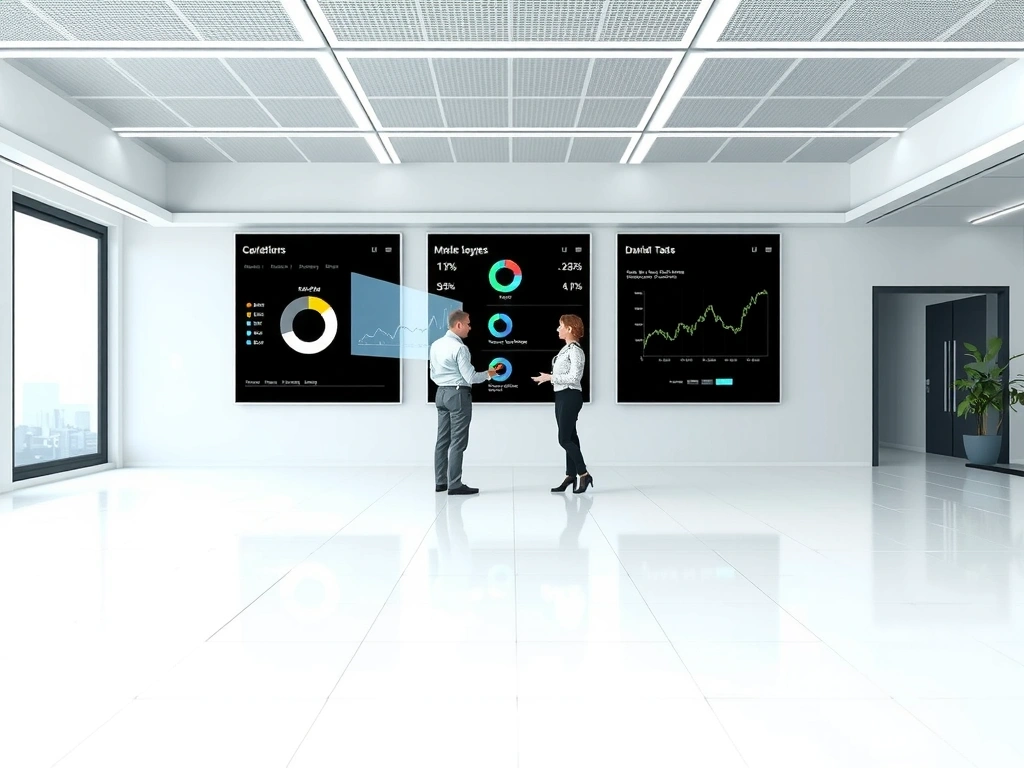
Collaborative analysis session
Operational Hub

Analysts in our Dunedin center synthesizing live data streams into corporate dashboards. Note the absence of distracting noise; the focus remains entirely on workflow continuity.

Abstract workflow nodes
Structural Mapping

Visualizing the dependencies between internal departments. Performance analytics reveals how a delay in one sector creates a ripple effect across the entire corporate structure.

The Pakataq Decision Filter

When analyzing performance, we prioritize three categorical dimensions. This matrix is how we separate operational signal from noise, ensuring that every insight we deliver through our educational hub serves a defined purpose.

Velocity vs. Volume

High volume often masks low velocity. We distinguish between the amount of work produced and the speed at which it moves from conception to completion. Performance analytics must focus on the throughput of value, not just the tally of hours logged.

Outcome: Identifies hidden bottlenecks in approval chains.

Predictive Consistency

KPIs tracking is ineffective if it only looks backward. Our methodology assesses how reliably a team hits its forecasted outputs over six-week rolling cycles. Consistency is the primary indicator of a mature internal workflow.

Outcome: Reduces the "crunch period" by evening out work distribution.

Resource Resonance

We measure how effectively corporate dashboards are actually used by teams. High-performance analytics tools are only valuable if they resonate with the user's daily reality, rather than serving as a purely managerial oversight tool.

Outcome: Increases adoption of data-driven decision making across all tiers.

Interface of Insight

Our corporate dashboards are designed for immediate cognitive clarity. We strip away the clutter of legacy business metrics to focus on the essential indicators of operational flow and talent utilization.

// WORKFLOW_NODES_ACTIVE // LATENCY_MINIMIZED // DATA_SYNC_2026

Mastering the Rhythm of Performance.

Discover how Pakataq transforms internal operations through structured analytics. Join our educational hub for deeper insights into the future of corporate efficiency.

Legal Notice & Transparency

All materials are provided for informational and educational purposes only.